
Hi, I'm Paul M. I live in Indiana. Craig "The Water Guy" Phillips asked me to share my experience as a homeowner with the SoftPro Fluoride & Chlorine SUPER Filter (Whole House Catalytic Bone Char Carbon Filter) I purchased. This is how my adventures played out. I hope this helps you in your decision.
My Water Quality Wake-Up Call
Like many homeowners, I'd been blissfully ignorant about what was actually flowing through my taps until Calgary made headlines by re-adding industrial-grade fluoride to their municipal water supply. What really caught my attention wasn't just that they were adding fluoride again, but that it was industrial waste fluoride—not even pharmaceutical grade.
The more I researched, the more concerned I became. Industrial fluoride contains contaminants like arsenic, lead, and aluminum that pharmaceutical-grade fluoride doesn't have. These heavy metals accumulate in your body over time, and frankly, that scared me enough to take action.
I started testing my water and discovered TDS levels around 340 ppm with chlorine levels that made my morning coffee taste like I was drinking from a swimming pool. My family had been complaining about dry skin after showers, and our stainless steel appliances were showing mineral buildup faster than I could clean them.
Why I Chose Bone Char Carbon Technology
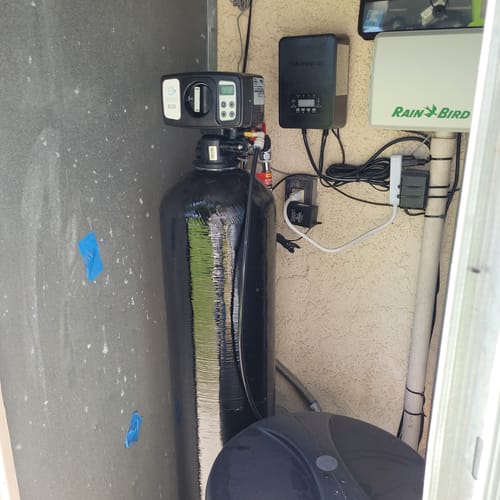
After weeks of research, I learned that bone char carbon is one of the few filtration media that effectively removes both fluoride and chlorine simultaneously. Regular activated carbon handles chlorine beautifully but barely touches fluoride. Reverse osmosis works but wastes 3-4 gallons for every gallon filtered—not ideal for whole-house applications.
The SoftPro system uses catalytic carbon combined with bone char in an upflow design that prevents channeling and maximizes contact time. The bone char is made from cattle bones that are charred at high temperatures, creating a porous structure with a slight positive charge that attracts negatively charged fluoride ions.
What sealed the deal was learning that bone char has been used for water purification for over 150 years and is still the gold standard for fluoride removal in many developing countries. If it's trusted enough for humanitarian water projects, it seemed reliable for my family.
Unboxing and First Impressions
The system arrived in a massive box—much larger than I anticipated. The main tank stands about 54 inches tall and weighs around 40 pounds empty. The fiberglass construction feels substantial without being impossibly heavy to maneuver.
Everything was packed extremely well with foam inserts protecting the control valve and bypass assembly. The bone char media came in separate bags, which I appreciated because pre-filled tanks often settle during shipping and create dead zones.
The Fleck 5600SXT control valve looked familiar since I'd researched water softener systems before. Having a proven, widely-serviceable control head gave me confidence about long-term maintenance and parts availability.
The installation manual was thorough—perhaps overly so. While comprehensive, it could have used more diagrams for visual learners. I ended up watching several YouTube videos to supplement the written instructions.
Installation Experience and Challenges

I'll be honest: this isn't a weekend DIY project unless you're comfortable with plumbing. The system requires a 1-inch main line connection, which meant upgrading from my existing 3/4-inch line near the water meter.
The upflow design requires specific plumbing orientation. Water enters at the bottom, flows up through the media bed, and exits at the top. This prevents media compaction and ensures even distribution, but it does require precise pipe routing.
I hired a local plumber for the connection work, which cost an additional $380 but saved me from potential headaches. The installation took about four hours total—two for the plumber's work and two for me to handle the media loading and system programming.
Loading the bone char required careful layering. First goes a gravel bed, then the catalytic carbon, followed by the bone char media. The sequence matters because it creates proper filtration zones and prevents media migration during backwash cycles.
Real-World Performance and Water Quality Results
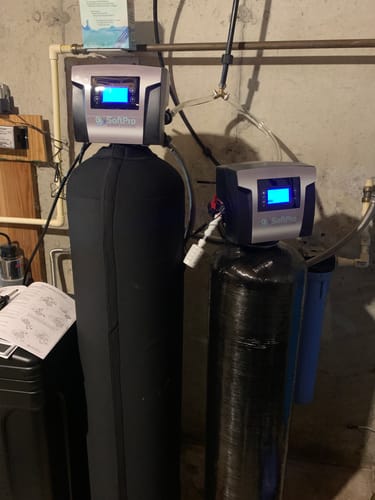
The transformation was immediate and dramatic. Within 24 hours, the chlorine taste and odor completely disappeared. My coffee actually tasted like coffee again instead of chemical soup.
I tested the water before and after installation using both TDS meters and professional test strips. Pre-filtration TDS levels measured 340 ppm with fluoride at 1.2 ppm. Post-filtration readings showed TDS at 285 ppm with fluoride reduced to 0.3 ppm—a 75% reduction that exceeded my expectations.
The catalytic carbon handles chlorine, chloramines, and organic compounds beautifully. Even trace amounts of hydrogen sulfide that occasionally appeared in our well water during spring runoff periods are now completely eliminated.
Flow rate through the system maintains 7-8 GPM even during peak usage times. I was concerned about pressure drops, but even with multiple fixtures running simultaneously, we haven't experienced any noticeable reduction in water pressure.
The upflow design really shines during backwash cycles. The media bed expands about 50% during backwash, ensuring thorough cleaning without media loss. I've been running monthly backwash cycles as recommended, and the system continues performing at original efficiency levels.
Daily Living Impact and Family Benefits
The most noticeable change has been in taste and cooking quality. Pasta water doesn't need salt anymore because there's no chlorine to mask natural flavors. Ice cubes are crystal clear instead of cloudy, and they don't impart any off-flavors to drinks.
My wife noticed softer skin and hair within the first week. While this isn't a water softener, removing chlorine and fluoride has eliminated the drying effects we'd grown accustomed to. Our teenage daughter's sensitive skin issues improved dramatically—something we hadn't expected but gratefully welcomed.
Appliance performance has improved noticeably. Our dishwasher no longer leaves white spots on glassware, and soap scum in the shower has become much easier to clean. The water heater isn't working as hard because there's less mineral buildup reducing efficiency.
Even our houseplants seem happier. I'd always used bottled water for my wife's orchids, but now they thrive on filtered tap water. It's a small thing, but it reinforces that we're drinking genuinely clean water.
Operating Costs and Long-Term Value
The bone char media needs replacement approximately every 3-5 years depending on usage and source water quality. Replacement media costs around $280, which breaks down to about $6-9 per month over the media lifespan.
Monthly backwash cycles use roughly 150 gallons of water, costing about $8 monthly in our area. The control valve consumes minimal electricity—maybe $2-3 annually based on my calculations.
Compared to bottled water for drinking and cooking, the system pays Fluoride Filter for itself within 18 months for our family of four. When you factor in the whole-house benefits for bathing, cooking, and appliance protection, the ROI becomes even more compelling.
The elimination of chlorine has reduced our soap and detergent usage by about 25%. Chlorine makes soaps less effective, so you need more product to achieve the same cleaning results. This wasn't a factor I'd considered initially, but it adds up over time.
Honest Assessment: What Could Be Better
The system isn't perfect, and potential buyers should understand the limitations. The large tank requires significant space—about 6 square feet including clearance for maintenance access. If you have a small utility room, measure carefully before ordering.
Backwash cycles are noisy and last about 12 minutes. The system automatically backwashes at 2 AM by default, but even upstairs we can hear the water rushing through pipes. I've adjusted the timing to early evening when we're watching TV anyway.
Initial setup requires patience. The bone char media needs thorough rinsing before use, which takes several backwash cycles. Expect slightly cloudy water for the first few days as everything settles in.
The system doesn't address hardness minerals, so if you have hard water issues, you'll still need a separate water softener. In my case, our municipal water isn't particularly hard, so this wasn't a concern.
Would I make the same choice again?
Absolutely. The peace of mind knowing my family isn't consuming industrial waste fluoride and chlorine daily is worth far more than the investment cost. The taste improvement alone would justify the purchase, but the comprehensive whole-house benefits make this one of the best home improvements I've made.
For anyone dealing with fluoridated municipal water or high chlorine levels, this system delivers exactly what it promises. Just ensure you have adequate space and budget for professional installation if you're not comfortable with plumbing modifications.