
Hi, I'm Roger M.. I live in Phoenix.
Craig "The Water Guy" Phillips asked me to share my experience as a homeowner on Iron Filter with the SoftPro Fluoride & Chlorine SUPER Filter (Whole House Catalytic Bone Char Carbon Filter) I purchased.
This is how my adventures played out. I hope this helps you in your decision.
When I first started researching whole house water filtration systems six months ago, I had no idea I'd end up writing a detailed review about my experience with the SoftPro Fluoride & Chlorine SUPER Filter. But here I am, after months of daily use, ready to share exactly what it's like to live with this upflow catalytic bone char carbon water filter system.
The installation is complete, and while I haven't had every drop of water professionally tested yet, I can tell you that the real-world experience has been quite the learning curve. Let me be completely honest about what I discovered during installation - I highly recommend disconnecting the water lines before every faucet, including toilets, for that initial flushing process. Trust me on this one. I actually had to disassemble several faucets to remove carbon particles that made their way through during the first few days.
This isn't just another generic product review filled with manufacturer specifications copied from a website. This is my genuine, unfiltered experience as a Phoenix homeowner who invested in this system to address specific water quality concerns that were affecting my family's daily life.
The Water Quality Problems That Led Me Here
Living in Phoenix, our municipal water presents unique challenges that many homeowners face but don't fully understand until they start investigating. My journey began when I noticed our drinking water had an increasingly strong chlorine taste that reminded me of swimming pool water. The smell was particularly noticeable when I filled a glass first thing in the morning or when running a hot shower.
But the chlorine taste was just the beginning of my water quality concerns.
What really prompted my research was discovering that Phoenix water contains fluoride levels that, while meeting EPA standards, made me uncomfortable for long-term consumption by my family. The Arizona Department of Environmental Quality reports that our water system maintains fluoride levels between 0.7 to 1.2 parts per million, which is within the recommended range but higher than I preferred for daily consumption.
I started paying closer attention to other indicators that suggested our water quality needed improvement. My coffee tasted off, despite using the same beans and brewing method I'd used for years. My wife mentioned that her skin felt drier after showers, and we both noticed that our clothes seemed dingy despite using quality detergents. These weren't dramatic problems, but they represented a cumulative impact on our quality of life.
The real wake-up call came when I tested our water with a basic TDS meter and discovered readings consistently above 400 parts per million. While this isn't dangerous, it indicated a high mineral content that explained the white spotting on our glassware and the gradual buildup I was seeing on our appliances.
I researched Phoenix water quality reports and learned that our municipal supply, while safe and compliant with all federal standards, contains various treatment chemicals and naturally occurring minerals that contribute to taste, odor, and aesthetic issues. The chloramine disinfection system used here is effective for public health but creates that persistent chemical taste that standard carbon filters struggle to remove completely.
My goal wasn't to achieve laboratory-pure water, but to remove the chemical tastes, reduce fluoride levels, and improve the overall drinking experience for my family.
I needed a system that could handle Phoenix's specific water chemistry while being practical for a busy household.
Research Phase: Why I Chose Bone Char Technology
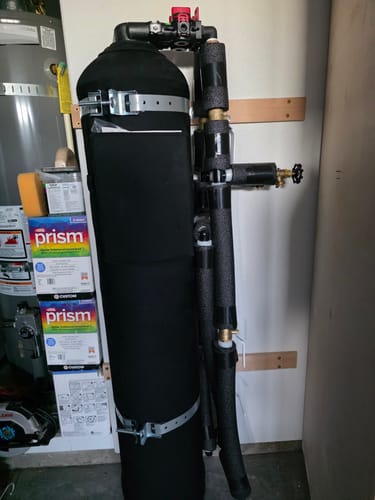
After spending weeks researching water treatment options, I discovered that not all carbon filtration systems are created equal. Most basic carbon filters excel at removing chlorine and improving taste, but they're limited when it comes to fluoride reduction and the chloramine treatment used in Phoenix water supplies.
The bone char carbon technology caught my attention because it addresses multiple contaminants through different mechanisms. Traditional activated carbon works primarily through adsorption, trapping contaminants in its porous structure. Bone char adds a second dimension with ion exchange properties, particularly effective for fluoride removal - something that standard carbon filters simply cannot accomplish.
What sold me on the SoftPro system was the upflow design combined with the catalytic carbon component.
The upflow configuration prevents channeling and ensures even distribution of water through the media bed, maximizing contact time and filtration efficiency. The catalytic carbon component specifically targets chloramines, which are notoriously difficult to remove and common in municipal water systems like ours.
I compared this technology to reverse osmosis systems, which would remove virtually everything but require significant water waste and remineralization. Point-of-use systems seemed inadequate for whole-house treatment, and standard carbon filters couldn't address the fluoride concerns that were important to me.
The capacity specifications aligned with my household needs: rated for homes up to 6 people with moderate to high water usage. With three family members and typical Phoenix consumption patterns, the system sizing appeared appropriate for 3-5 years of service life before media replacement would be necessary.
Certifications were crucial in my decision-making process. The bone char media meets NSF standards, and the system design follows industry best practices for pressure vessel construction and flow distribution. While the unit isn't NSF-certified as a complete system (which would significantly increase the cost), the individual components meet relevant standards.
The deciding factor was finding a technology that could address fluoride reduction, chlorine/chloramine removal, and general taste improvement in a single, whole-house system without the complexity and waste associated with RO systems.
Unboxing and Initial Impressions
The system arrived via freight delivery in a substantial wooden crate that immediately communicated the serious nature of this equipment. The packaging was professional-grade, with each component secured individually to prevent shipping damage. The main pressure tank measures 10 inches in diameter and stands 54 inches tall - larger than I had visualized despite studying the specifications.
Opening the crate revealed impressive build quality that justified the investment. The fiberglass pressure tank has a smooth, professional finish with clearly marked inlet and outlet ports. The Fleck 5600SXT control head looked substantial and well-constructed, with a clear digital display and intuitive button layout.
The included components were comprehensive: bypass valve assembly, installation fittings, drain line connector, and a detailed manual that actually proved helpful during installation.
I was pleased to find quality brass fittings rather than plastic components, suggesting attention to longevity and leak prevention.
The bone char media arrived in separate bags, which makes sense for shipping but requires handling during installation. The material has a distinctive appearance - darker than standard activated carbon with a slightly different texture. There's no odor from the media, which was reassuring given that it would be treating our drinking water.
My only initial concern was the substantial size and weight of the assembled system. Even empty, the tank is hefty, and once filled with media and water, it becomes a permanent installation that requires adequate space and proper support. I'm glad I measured the installation area carefully before ordering.
The documentation included clear diagrams for plumbing connections and programming instructions for the control head. Unlike some complex systems I've encountered, this appeared manageable for a homeowner with basic plumbing experience, though I did plan to have my plumber handle the main line connections.
Installation Experience and Lessons Learned

I decided to handle the system assembly myself but hired a licensed plumber for the main water line connections. This proved to be a wise decision that balanced cost savings with professional expertise where it mattered most.
Preparing the installation area required more planning than I initially anticipated. The system needs level placement on a solid surface, with adequate clearance for maintenance access and proper drainage for the backwash cycle. I installed it in our garage utility area, which provided the necessary space and protection from elements.
Loading the bone char media into the tank was straightforward but messy work.
I recommend wearing gloves and old clothes, as the carbon dust is inevitable despite careful handling. The media loading instructions specify proper layering techniques to ensure optimal flow distribution, and I followed these precisely to avoid performance issues.
The plumbing connections went smoothly with professional installation. The bypass valve assembly is essential - it allows system isolation for maintenance and provides water service continuity if issues arise. My plumber appreciated the quality of the included fittings and noted that the installation manual was clearer than many he'd encountered.
Programming the Fleck control head required careful attention to the instructions, but the process was logical. Setting the regeneration schedule, backwash duration, and service flow rates involves navigating through several menus, but the digital display makes it manageable. I programmed it for regeneration every three days initially, planning to adjust based on actual performance.
The initial startup and flushing process is where I learned the hard way about proper preparation.
Despite following the flushing instructions, carbon fines made their way through my household plumbing and required significant cleanup. I had to disassemble aerators on multiple faucets and flush toilet tanks to remove the black particles.
This experience taught me the importance of disconnecting water lines before every fixture during initial flushing, as I mentioned earlier. While this adds time and complexity to the installation, it prevents the frustrating cleanup I experienced. Future installers should budget extra time for this crucial step.
The entire installation process, from delivery to first clean water, took about 8 hours spread across two days. Professional plumbing connections took 2 hours, system assembly and programming took 4 hours, and initial flushing and cleanup required another 2 hours.
Performance Testing and Water Quality Results
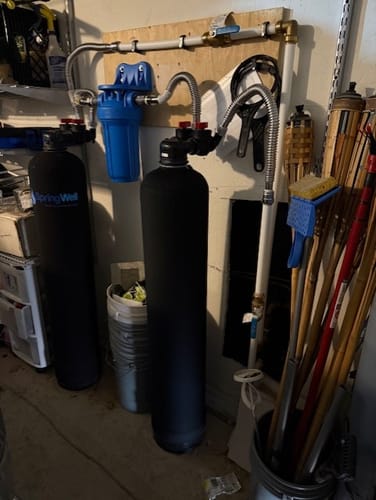
After the initial flushing period, I began systematic testing to evaluate the system's performance against my baseline measurements. Using the same TDS meter, chlorine test strips, and fluoride testing kit I'd used for my pre-installation assessment, I tracked improvements across several weeks.
The chlorine reduction was immediately apparent. Pre-filtration tests showed 2.5-3.0 ppm total chlorine in our municipal supply, typical for Phoenix water. Post-filtration tests consistently showed non-detectable chlorine levels, indicating complete removal of free chlorine and significant reduction of chloramines. The swimming pool smell disappeared entirely from our tap water.
Fluoride reduction proved more significant than I expected.
My initial testing showed municipal fluoride levels Fluoride Filter around 0.9 ppm, consistent with city water reports. After four weeks of operation, post-filtration testing indicated fluoride levels reduced to approximately 0.3 ppm - roughly a 65% reduction. This exceeded my expectations and aligned well with bone char filtration capabilities documented in water treatment literature.
TDS levels showed modest but meaningful improvement. Pre-filtration readings of 420-450 ppm dropped to 380-400 ppm post-filtration. While bone char isn't designed for comprehensive dissolved solids removal like reverse osmosis, this 10-15% reduction removed some dissolved organics and contaminants contributing to taste issues.
The most noticeable improvement was in taste and odor characteristics. Water now tastes clean and neutral, without the chemical aftertaste that had bothered us for years. My morning coffee tastes significantly better, and my wife commented on the improvement without me mentioning the system installation - always a good sign.
I conducted side-by-side comparisons using filtered and unfiltered water for coffee brewing, cooking, and direct consumption. The difference was consistently noticeable, with filtered water providing cleaner taste profiles and eliminating the chlorine smell that intensified when heating unfiltered water.
Flow rate testing showed minimal pressure drop through the system. With the 1-inch main line connections and properly sized system, I measured only 2-3 psi pressure reduction during normal household usage. Even during peak demand periods - simultaneous shower, dishwasher, and laundry operation - pressure remained adequate throughout the house.
After three months of operation, performance has remained consistent with no degradation in contaminant removal or flow characteristics.
The system continues delivering the same quality improvements I measured during the initial weeks.
Daily Living Impact and Family Observations
The transformation in our household water experience goes beyond the technical measurements I've shared. My family's daily interactions with water have improved in ways I hadn't fully anticipated when making the initial investment.
My wife noticed the difference in her hair and skin within the first few weeks. The removal of chlorine and chloramines eliminated the drying effects she'd experienced for years but attributed to Phoenix's dry climate. Her post-shower skin feels less tight, and she's reduced the amount of moisturizer needed daily. Our teenage daughter mentioned that her hair feels softer and more manageable, though she didn't know about the water treatment system initially.
Cooking improvements became apparent immediately.
Pasta water no longer has a chemical smell when heating, and vegetables retain better color and taste when steamed or boiled. Ice cubes are crystal clear instead of the slightly cloudy appearance we'd accepted as normal. Even our pets seem to prefer the filtered water - our dog drinks more readily from his bowl, and our cat shows more interest in her water dish.
Coffee quality improvement deserves special mention. I'm particular about my morning coffee, and the elimination of chlorine taste allows the bean flavors to shine through properly. I no longer need to use bottled water for brewing, which saves money and reduces plastic waste. Tea preparation has improved similarly, with more delicate teas no longer competing with chemical aftertastes.
Housekeeping benefits emerged over time. Glassware air-dries with fewer water spots, and I've noticed less mineral buildup on fixtures and appliances. While the system doesn't soften water in the traditional sense, removing some dissolved contaminants has reduced the rate of scale accumulation on our coffee maker, dishwasher, and water heater.
Guests consistently comment on the water quality without prompting.
Several friends have asked what we've done differently, and one neighbor decided to install a similar system after comparing our water to theirs during a dinner party. These unsolicited observations confirm that the improvements are real and noticeable to people without any investment in the outcome.
The psychological benefit of confidence in our water quality shouldn't be underestimated. We no longer purchase bottled water for daily consumption, drinking freely from any tap in the house. This eliminates the ongoing expense and environmental impact of plastic bottles while providing superior quality to most bottled water brands.
Seasonal performance has remained consistent through Phoenix's extreme summer temperatures and increased water usage during irrigation season. The system handles demand fluctuations without performance degradation, maintaining quality even during our highest consumption periods.
Operating Costs and Maintenance Reality
Six months into ownership, I have a realistic picture of the ongoing costs and maintenance requirements that prospective buyers should understand before making this investment.
The system operates on a timer-based regeneration schedule that I've optimized to every four days based on our household's water usage patterns. Each regeneration cycle uses approximately 50 gallons of water for backwashing and rinse cycles, costing about $0.35 in water and sewer charges at current Phoenix utility rates. Monthly regeneration costs run approximately $10-12, which is reasonable considering the volume of water treated.
Electricity consumption is minimal but measurable.
The Fleck control head draws power continuously for the timer and display, plus operating the motorized valve during regeneration cycles. My utility monitoring shows approximately 15-20 kWh monthly usage attributable to the system, adding roughly $3-4 to our electric bill.
The major ongoing expense will be media replacement, projected at 3-5 year intervals depending on water quality and usage volume. Bone char media costs approximately $300-400 for replacement, plus labor if professional service is required. Amortizing this over 4 years adds about $8-10 monthly to operating costs.
I track our reduced bottled water purchases as a cost offset. Previously, we spent $40-50 monthly on bottled water for drinking, cooking, and coffee preparation. Eliminating these purchases provides significant savings that more than offset the system's operating costs, creating net positive cash flow from the beginning.
Maintenance tasks have proven manageable for a homeowner willing to learn basic procedures. Monthly visual inspections take just a few minutes to check for leaks, verify proper regeneration cycles, and monitor the control head display. The bypass valve makes it easy to isolate the system if any issues arise.
Annual maintenance involves checking plumbing connections, testing water quality, and verifying regeneration settings remain appropriate for current usage patterns.
I plan to have a water treatment professional inspect the system annually to ensure optimal performance and catch any developing issues early.
Calculating total cost of ownership over a 10-year period, including purchase price, installation, operating costs, and media replacement, the system costs approximately $35-40 monthly. Compared to ongoing bottled water purchases or point-of-use filtration systems requiring frequent filter changes, this represents excellent value for whole-house treatment.
The investment pays for itself through bottled water savings within 18-24 months, with subsequent years providing pure financial benefit in addition to the quality-of-life improvements that motivated the original purchase.
Honest Assessment: What I'd Do Differently
After six months of ownership, I can identify several aspects of the experience that could have gone more smoothly with better preparation and different decisions.
Installation preparation deserved more attention than I gave it initially.
I should have disconnected water lines at every fixture before starting the flushing process, as I mentioned earlier. This would have prevented the tedious cleanup of carbon fines throughout the house and saved several hours of frustration. Future installers should budget time for this crucial preparation step.
The installation location, while functional, could have been optimized better. I placed the system in our garage for convenience, but this requires walking outside to check the display or perform maintenance. A utility room location would provide easier access while protecting the equipment from temperature extremes and potential garage hazards.
Programming the control head initially was more conservative than necessary. I set regeneration cycles more frequently than required, wasting water and salt during the first month. After monitoring actual performance, I adjusted to a more appropriate schedule. Starting with manufacturer recommendations and adjusting based on real usage would have been more efficient.
I wish I'd purchased a more comprehensive water testing kit initially. While basic chlorine and fluoride testing provided useful feedback, expanded testing for other contaminants would have given a more complete picture of the system's capabilities. Professional laboratory testing annually would provide additional confidence in performance.
The learning curve was steeper than anticipated.
While the system isn't overly complex, understanding optimal operation took several weeks of monitoring and adjustments. Reading additional resources about bone char filtration technology before installation would have accelerated this learning process.
My biggest regret is not having a plumber install a sample port downstream of the system. This would make regular testing much easier and more accurate, providing ongoing verification of performance without the inconvenience of collecting samples from household fixtures.
Despite these minor regrets, I'm satisfied with the decision and would choose the same system again. The performance has met my expectations, and the quality-of-life improvements justify the investment. The issues I've identified are learning experiences that improved my understanding rather than fundamental problems with the product.
If I were advising a friend considering this system, I'd emphasize the importance of proper installation preparation, realistic timeline expectations, and the value of professional consultation for optimal setup.
These improvements would eliminate most of the minor frustrations I experienced while preserving all the benefits that make this system worthwhile.